
Regular periodontal checkups and treatments help prevent serious gum disease.
Periodontal treatments help treat gum disease and maintain periodontal health, thereby reducing the risk of tooth loss.
The treatment and prevention of periodontal disease help maintain the health of your teeth and jawbone.
Most periodontal treatments are quick, painless, and provide long-lasting results compared to other dental procedures.

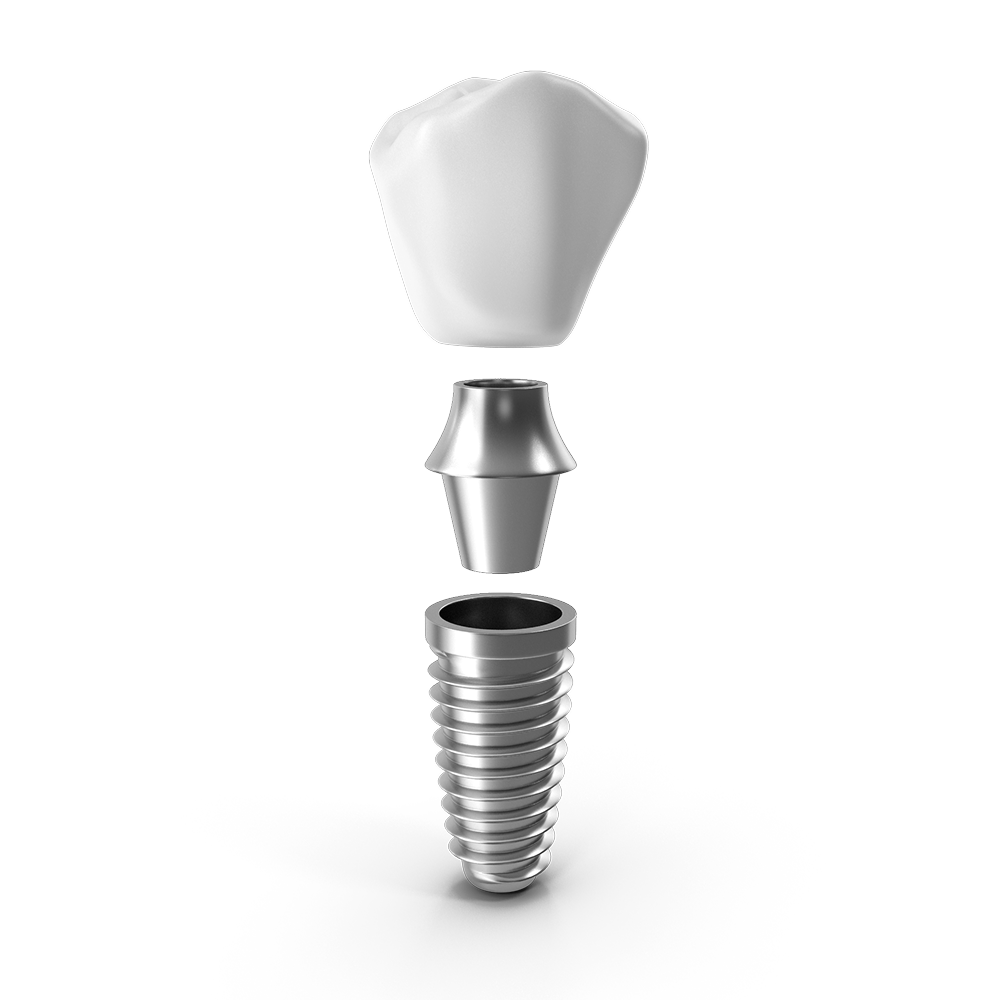
We offer a lifetime manufacturer’s warranty on premium-quality Nobel implants to ensure long-lasting and stunning results!
Our periodontist conducts a thorough examination, which may include X-rays and CT scans, to get an accurate picture of the condition of the teeth and the extent of any bone loss. We are able to take these images right here in our office.
Before the procedure, the periodontist administers a local anesthetic to ensure that the treatment is completely pain-free.
The periodontist removes plaque and tartar from beneath the gums (scaling) and from the tooth surfaces (polishing), thereby eliminating the bacteria that cause inflammation; this is the treatment for gum disease.
Surgery may also be necessary to treat deeper infections, involving the removal of inflamed tissue and the restoration of bone structure.
After treatment, our periodontist will provide personalized advice to help speed up healing and prevent future infections (oral hygiene education, guidance, and motivation).
Phone
Address
As the susceptibility to tartar and gingivitis is also influenced by genetic and hormonal factors, it is worth consulting your dentist about appropriate oral care techniques and timing.
Causes and effective treatment of gingivitis: How to stop receding gums.
Gum atrophy or gum recession is caused by a variety of factors such as periodontal disease, improper oral care and genetic predisposition. Unfortunately, it cannot be remedied with vitamins or home remedies, and the removal of tartar also requires expertise.
The first sign of periodontitis is inflamed gums that are red, swollen and often bleed, especially when brushing. It is red and red, red and red when it is sore and red when it is red and red, and it is also red and red when it is sore.
Gingivitis is often caused by inadequate tooth cleaning, when plaque is left where the teeth meet the gums. This plaque is a breeding ground for bacteria that cause inflammation. A secondary cause is tartar, which can only be removed by a professional in a dental practice.
So cervical sensitivity can be significantly reduced with professional treatment, but for best results it is worth preventing cervical wear and receding gums.
Tartar doesn’t just build up on the surface of the teeth – if the gums separate from the tooth, it can also form in areas under the gums where bacteria can adhere, causing ongoing inflammation in the gums and later the periodontium.


