

The good news? With early diagnosis and the right professional help, the process can be stopped and even reversed.
In this article, we’ll explain what causes these symptoms, how to recognize them, and the modern, effective treatments available to help you preserve your natural teeth.
Why Do Your Teeth Look Longer? – Gum Recession Explained
If your teeth look longer than before, it doesn’t mean they’re growing—it usually means your gums are receding. In most cases, gum recession is a result of periodontal disease.
Your teeth are supported not only by bone but also by gums and connective tissue. When these tissues become inflamed and break down, the tooth roots become exposed, making teeth appear longer and increasing the risk of looseness.
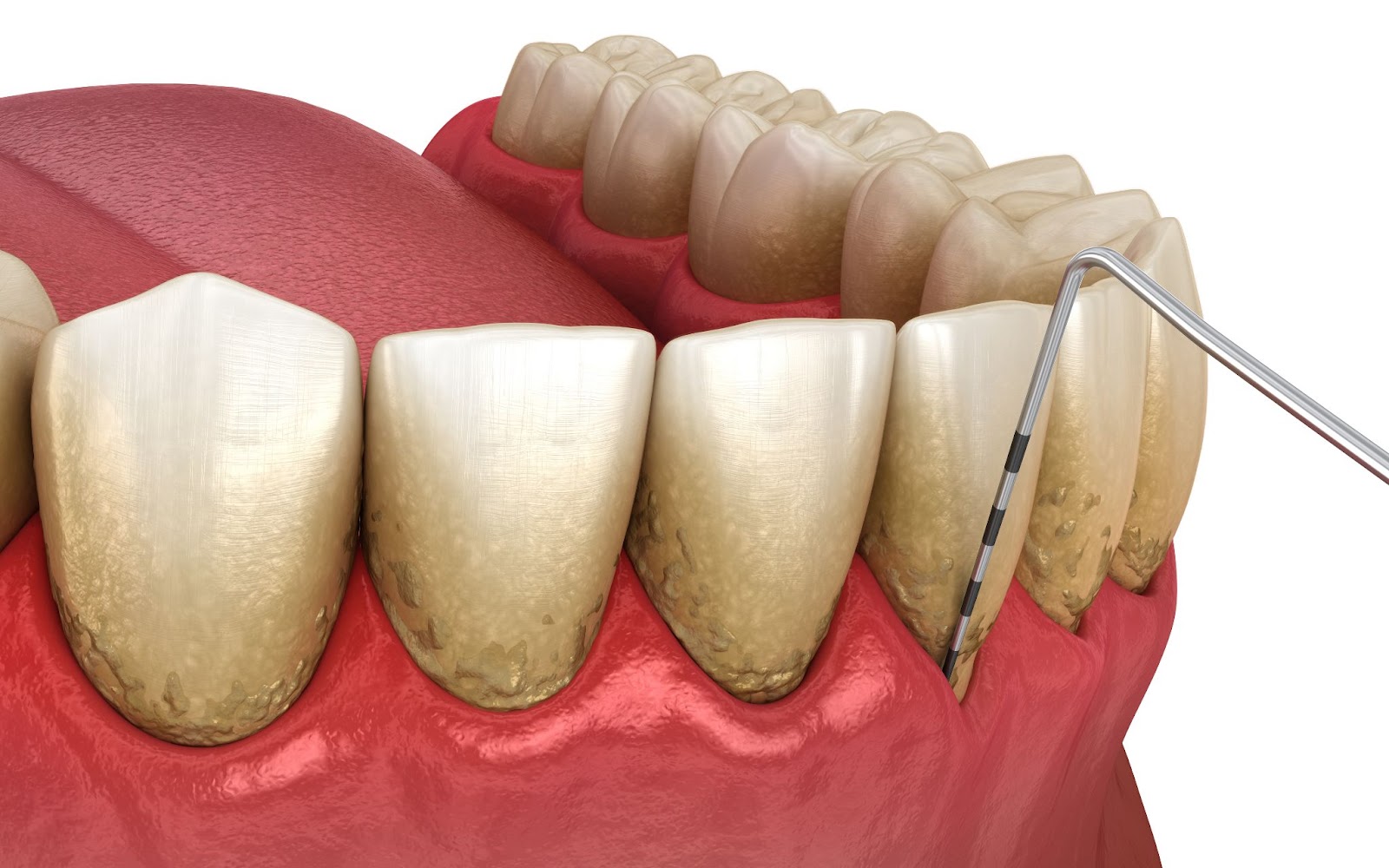
Periodontal status assessment
What Causes Loose Teeth? How Inflammation and Tartar Do Damage
The main culprits behind periodontal disease are bacteria and chronic inflammation. Plaque that isn’t properly removed can harden into tartar (calculus), which builds up under the gum line and triggers inflammation.
Over time, this process destroys the bone and connective tissue that support your teeth. As a result:
- Teeth become loose
- Gums recede
- You may notice bleeding, bad breath, and swollen gums
- In severe cases, teeth can fall out
Gum recession process on video
Personalized Help from a Periodontist
A periodontist is a dental specialist trained in diagnosing and treating gum disease. They can assess the level of damage and create a customized treatment plan tailored to your needs.
At clinics like 360 Dental, the first step is always a thorough diagnosis, which may include:
Comprehensive periodontal charting (pocket depth measurements)
Dental X-rays to assess bone loss
Professional hygiene treatments like ultrasonic tartar removal
Treatment Options: How We Save Your Teeth
The goal of periodontal treatment is to eliminate inflammation, reduce bacterial load, and stop further gum and bone loss. Depending on severity, the following techniques may be used:
Scaling and root planing (deep cleaning) – Non-surgical cleaning of the tooth roots under local anesthesia
Flap surgery – For advanced cases, the gum is gently lifted to allow deeper cleaning and decontamination
Antibiotic therapy – Local or systemic antibiotics to reduce infection
Regenerative procedures – Bone grafting or membrane techniques to help regenerate lost tissues
Act Now: Don’t Wait Until It’s Too Late
Have you noticed your teeth feel loose or appear longer? These could be early signs of gum disease. Don’t wait until you lose a tooth. Book your periodontal consultation now and take the first step toward a healthier, stronger smile.
➡️ Gentle, personalized treatment plans
➡️ Advanced, pain-free techniques
➡️ Experts in periodontal care are ready to help
What Can You Do at Home? Prevention and Maintenance Tips
Professional treatment is key, but daily oral care is just as important. Here’s what you can do to protect your gums long-term:
- Use an electric toothbrush for more effective plaque removal
- Clean between your teeth daily using floss or interdental brushes
- Visit your periodontist every 3–6 months for checkups
- Schedule professional cleanings at least twice a year
The Worst Mistake? Delaying Treatment
Many patients wait until their teeth are so loose they move during chewing. But in early stages—when there’s only mild bleeding or gum recession—gum disease is reversible. The earlier you act, the better your chances of saving your teeth.
If your teeth look longer, feel wobbly, or have become more sensitive—book an appointment with a periodontist today.
In Summary: There Is a Solution—But You Have to Act
Loose teeth and gum recession are not a normal part of aging. They are red flags that your gums may be under attack.
Fortunately, with modern periodontal treatments, the disease can be stopped, and your oral health preserved for years to come. Pro tip: Choose a trusted periodontal center – such as 360 Dental – where experienced specialists can guide you back to oral health.